Health Features of Smartwatches - A Comprehensive Comparison
There are currently many smartwatches on the market that offer health tracking features. We focused on specific health features, their reliability, and their benefits, and compared the products that offer these features.
Smartwatches are capable of measuring blood flow in the skin beneath the watch using an optical sensor. Light is shone through the skin, and the light reflected from the wrist back to the watch is detected. The individual recorded peaks in the light curve correspond to pulses of blood flow, allowing the heart rate and its regularityto be determined. This allows for the detection of arrhythmias, or heart rhythm disturbances, particularly atrial fibrillation or extrasystoles. By using two specific wavelengths of light, arterial blood oxygen saturation can be determined. The blood flow curve also changes in slower waves in sync with breathing, allowing for the determination of respiratory rate or respiratory arrest. By analyzing the shape of individual pulses, blood pressure can be estimated if the watch is calibrated by entering a conventionally measured blood pressure at the time the curve is recorded. However, this method is inaccurate and is not currently recommended. Some manufacturers simply alert the user if the heart rate curve suggests high blood pressure and recommend measuring blood pressure using the traditional method. By using a specific sensor wavelength, carotenoid levels can be determined, which may reflect the body’s stress levels.
An ECG , or electrocardiogram, is another possible function of a smartwatch. It is a record of the electrical signal emitted by the heart during its activity and can be read from the surface of the body after two electrodes are placed at a sufficient distance. In practice, it is necessary to place a finger of the other hand than the one on which the watch is worn on one part of the watch and the watch then reads the signal between both upper limbs and records a single-lead ECG. The quality of this ECG is usually very good and can be used to diagnose a number of heart rhythm disorders or to confirm a natural heart rhythm.
The built-in accelerometer can measure even subtle movements and changes in position, allowing you to estimate the type of movement (walking, running), detect falls , detect sleep quality and respiratory arrests during sleep , and data from the sensor can also be used in combination with the shape of the plethysmographic curve to estimate the risk of hypertension.
Smartwatches can also monitor skin temperature and use it to track menstrual cycles and estimate ovulation dates .
Another possible function of a smartwatch is to measure blood pressure using the classic method using a pressure cuff built into the watch strap. This method is accurate and can therefore be used to measure pressure, unlike the above method of analyzing the photoplethysmographic curve. Only two products on the market currently have this function.
For some features, manufacturers have already obtained medical device certification—this is usually preceded by a clinical trial to confirm the effectiveness and safety of the method in question. Most manufacturers have certified ECG recording and heart rate monitoring; some also offer sleep apnea detection, blood pressure measurement, or hypertension assessment.
But what about the specific features? Are they really reliable, who are they suitable for, and what are their limitations?
Heart Rate Monitoring
This feature reliably monitors heart rate waves. It alerts you to unnaturally low or high heart rates. In the event of irregular intervals between heartbeats, it alerts you to possible atrial fibrillation. This feature has been verified and certified by major manufacturers. The accuracy in detecting atrial fibrillation is approximately 80%. To definitively determine the type of arrhythmia, an ECG must also be recorded. This feature is suitable for patients at higher risk of atrial fibrillation, namely older adults, particularly those who are overweight or obese, have high blood pressure, or suffer from heart failure. Of course, this feature is also suitable if the patient experiences palpitations, i.e., a pounding heart. If atrial fibrillation is detected, early initiation of anticoagulant therapy can reduce the risk of stroke. The feature is also suitable for patients who already have a known and treated arrhythmia, as smartwatches can alert them to the recurrence of arrhythmia. Clinical trials are currently underway to evaluate the use of anticoagulant therapy based on arrhythmia detection—for example, a patient who has undergone catheter ablation for atrial fibrillation could receive anticoagulant therapy only if a recurrence is detected. The heart rate monitoring feature also detects premature heartbeats. However, an ECG must also be recorded to distinguish the type of premature contraction.
ECG
Smartwatches record a single-lead ECG between the upper limbs, which corresponds to lead I of a standard ECG. This single-lead ECG can be used to confirm a diagnosis of atrial fibrillation or atrial flutter, and to distinguish the type of extrasystole—that is, whether it is a ventricular or atrial extrasystole. It can also confirm a normal sinus rhythm and thus, for example, rule out arrhythmia during symptoms. The smartwatch records an ECG only when a finger is placed on the watch, so the function is not continuous as in the case of Holter ECG monitoring at a doctor’s office, where the ECG recording is continuous for 24 hours to several days. The single-lead ECG recording from a smartwatch cannot be used to diagnose a myocardial infarction; this can only be done with a standard 12-lead ECG, where the ECG leads are attached to the chest. The ECG function of a smartwatch is therefore best used when the patient clearly feels a heart palpitations, and this lasts long enough to start the ECG measurement—that is, for approximately more than 10 seconds.
Warning: High Blood Pressure
Blood pressure can only be accurately measured using a cuff placed on the arm or wrist. Currently, blood pressure can only be measured by watches with a pressure cuff integrated into the watch band, such as the Huawei Watch D2. Other methods merely estimate blood pressure and are not certified for its measurement. However, it is possible to accurately estimate the risk of high blood pressure and alert the user, who must then measure their blood pressure using the traditional method. Some manufacturers already have this system certified. This feature is suitable for individuals at high risk of hypertension, such as older, obese smokers. It can, of course, also be used for younger individuals, where the early detection of high blood pressure and its subsequent treatment are of great benefit to the patient. If the patient is already being treated for hypertension or has, for example, heart failure, it is better to use a traditional sphygmomanometer or a smartwatch with a cuff in the wristband to measure blood pressure; these can also measure blood pressure at night while the patient is asleep, thereby replacing ambulatory blood pressure monitoring at the doctor’s office. Measuring blood pressure using a method other than a pressure cuff is not currently recommended. Some models allow for this type of measurement after calibrating the watch—it is therefore necessary to measure blood pressure using the traditional method, enter the reading into the watch, and the watch then estimates the current blood pressure based on the pulse waveform and vibrations. However, the value measured in this way cannot be used, for example, by a doctor to monitor and manage treatment.
Detection of sleep apnea syndrome
The algorithms used to detect sleep apnea syndrome with smartwatches have good sensitivity and specificity and are therefore suitable for establishing this diagnosis. This feature is particularly useful for patients at higher risk of sleep apnea syndrome, such as obese patients. However, it can also be effectively used for patients with a low risk, as this feature has a low risk of false-positive alerts due to its high specificity.
Blood oxygen saturation measurement
Most manufacturers have certified blood oxygen saturation measurements taken by smartwatches as a medical device. However, the saturation value depends significantly on contact with the patient’s skin, so readings taken by smartwatches are often not as accurate as those from finger pulse oximeters. Smartwatches are therefore better suited for assessing long-term trends, in sleep apnea detection algorithms, or as a general guide, for example, during acclimatization while hiking at high altitudes. For patients with chronic lung disease, the use of specialized finger pulse oximeters is more appropriate.
The following table provides an overview of the health features of the main smartwatch models, including their certifications.
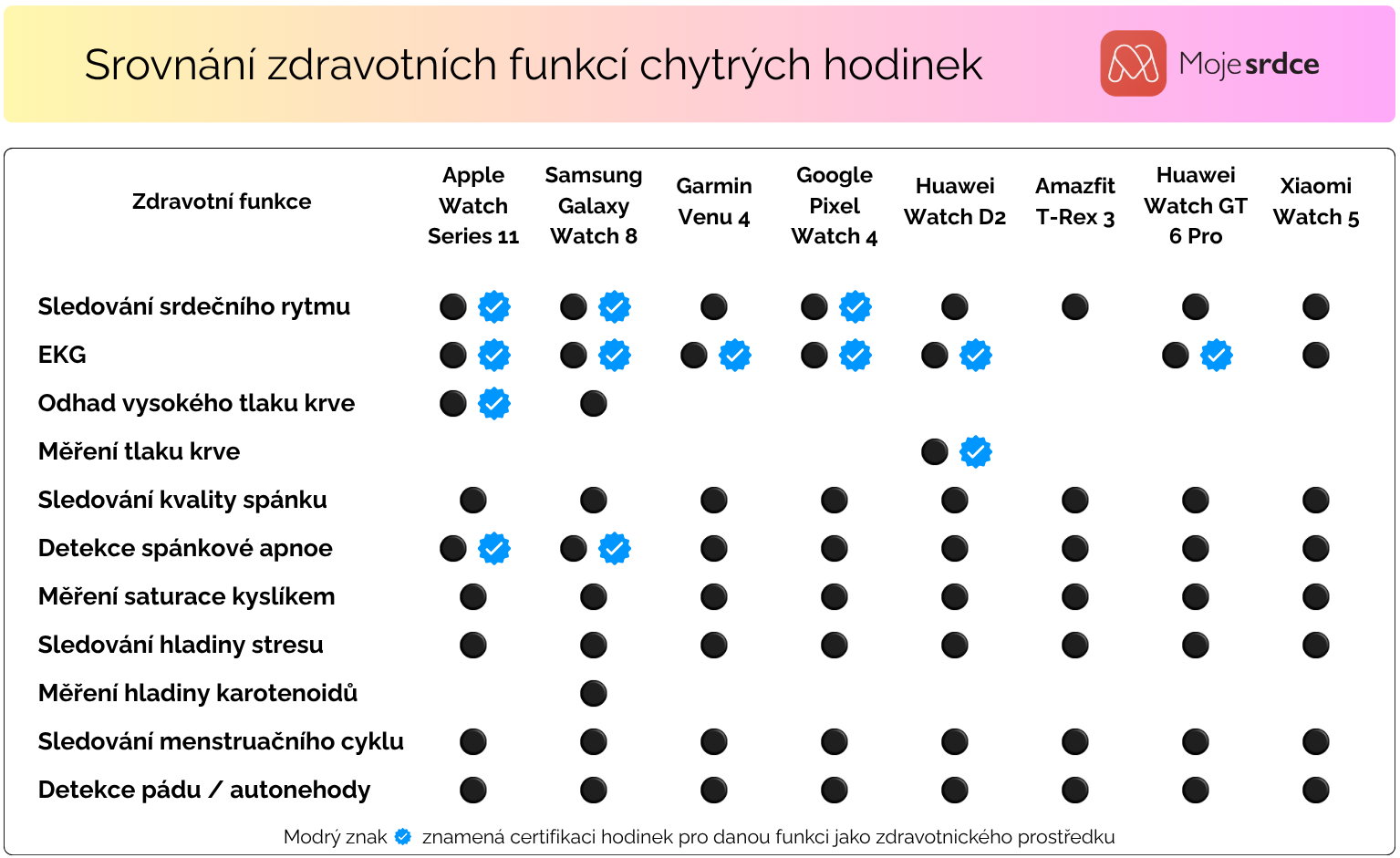
Overview of health features of the main smartwatch models on the market
A more detailed description of the health functions and limitations of individual smartwatch models is provided below. These are the most common models on the Czech market, mostly the “flagship” models of the given manufacturer. In many cases, cheaper models can also be found from the given manufacturer, which have limited functions, differ in battery life, design, etc.
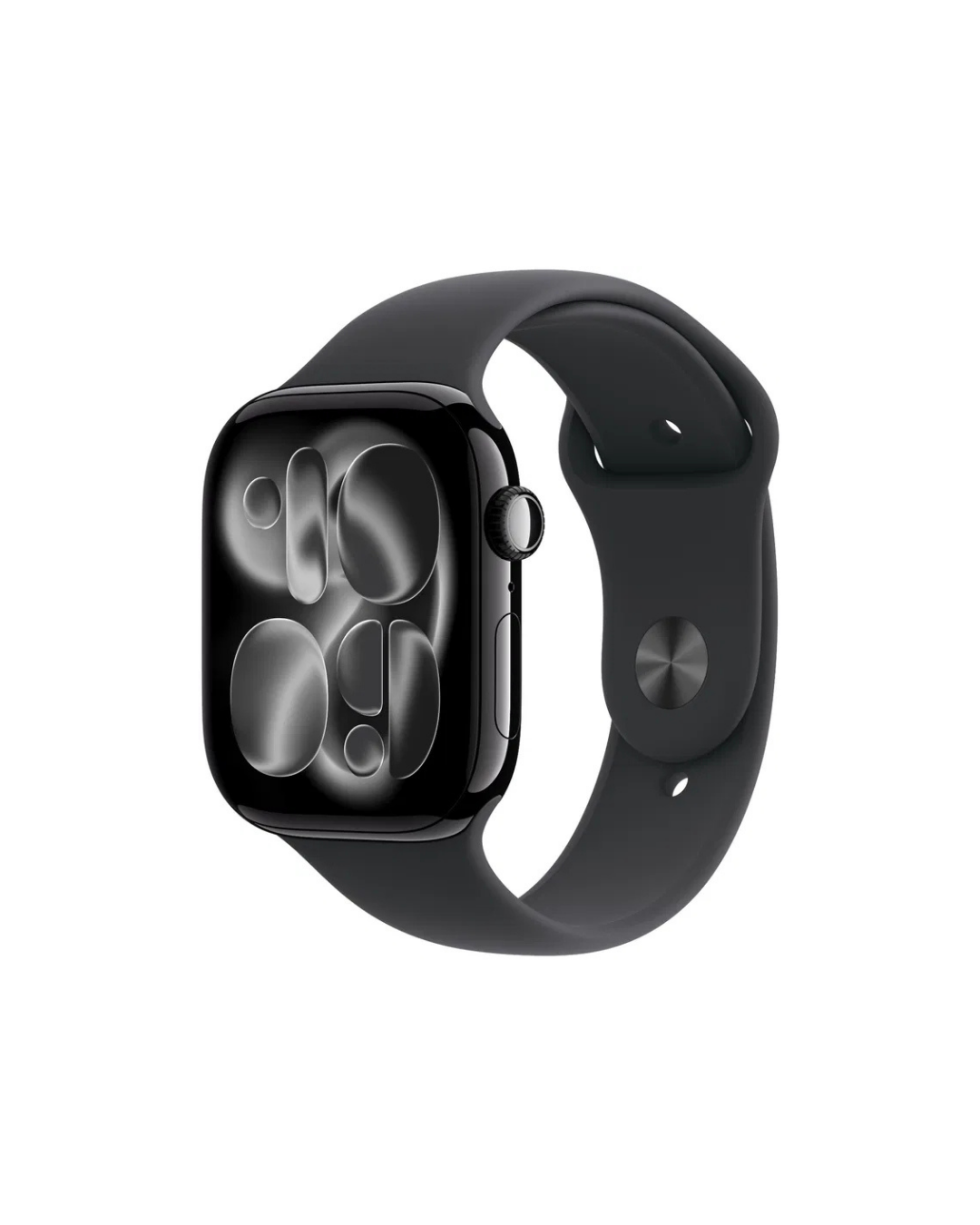
Cardiovascular function
Hypertension notification
ECG application
High and low heart rate notifications
Irregular heart rhythm notification
Notification of low cardiovascular fitness
Oxygen Saturation Application
Sleep tracking
Sleep apnea warning
Sleep score
Vital signs app with an overview of heart rate, breathing rate, wrist temperature, and sleep duration
Temperature sensing
Cycle tracking with ovulation prediction
Fall detection and car accident detection
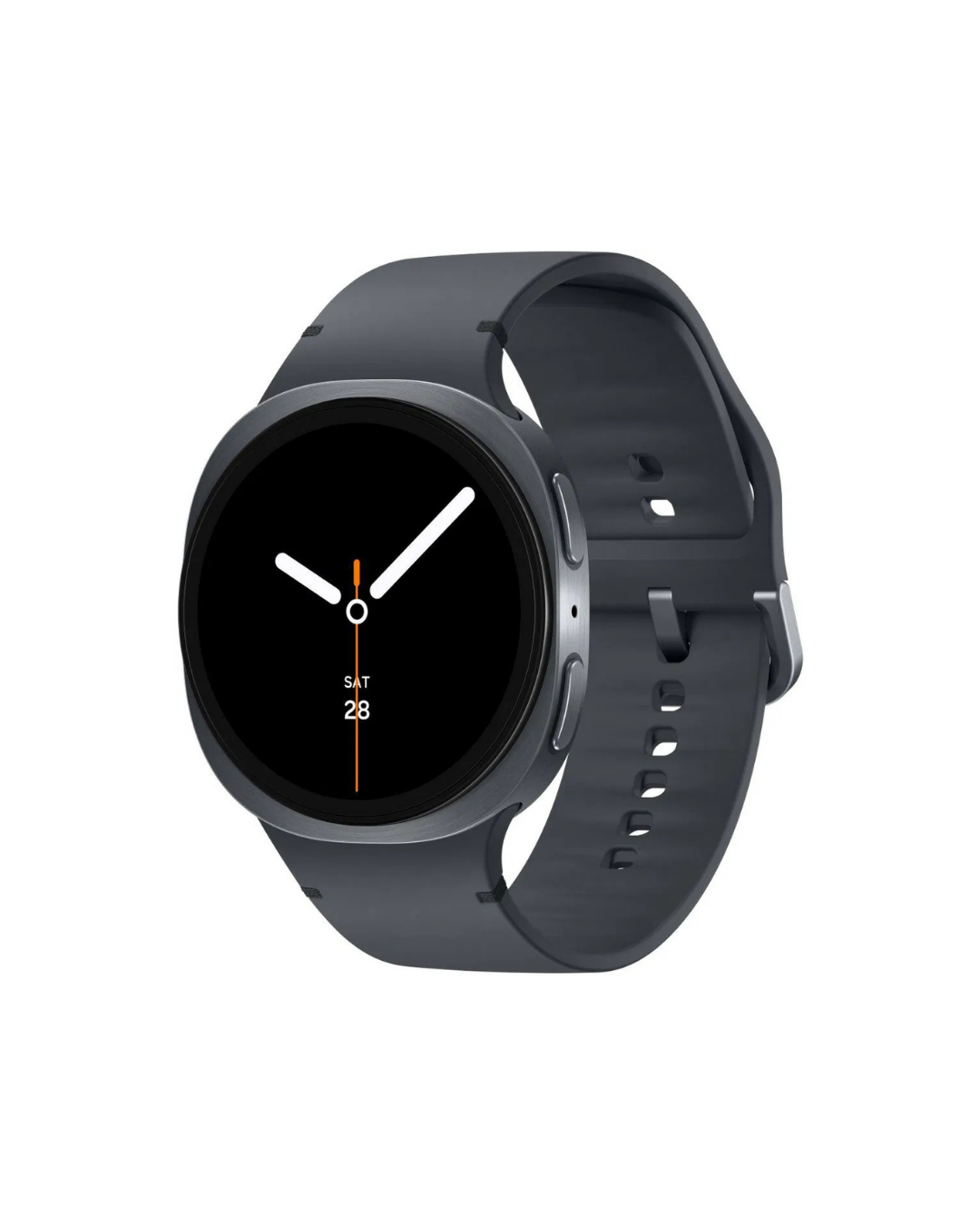
Cardiovascular function
Vascular stress - measurement of vascular stiffness
ECG
Rhythm Alert - Atrial fibrillation and irregular rhythm detection
Oxygen saturation measurement
Sleep tracking
Sleep apnea warning
Snoring detection
Sleep coaching
Antioxidant index
Measuring carotenoid levels with a sensor on the thumb
Menstrual cycle tracking, ovulation prediction
Fall detection
Energy Score and Mental-Physical Balance Application
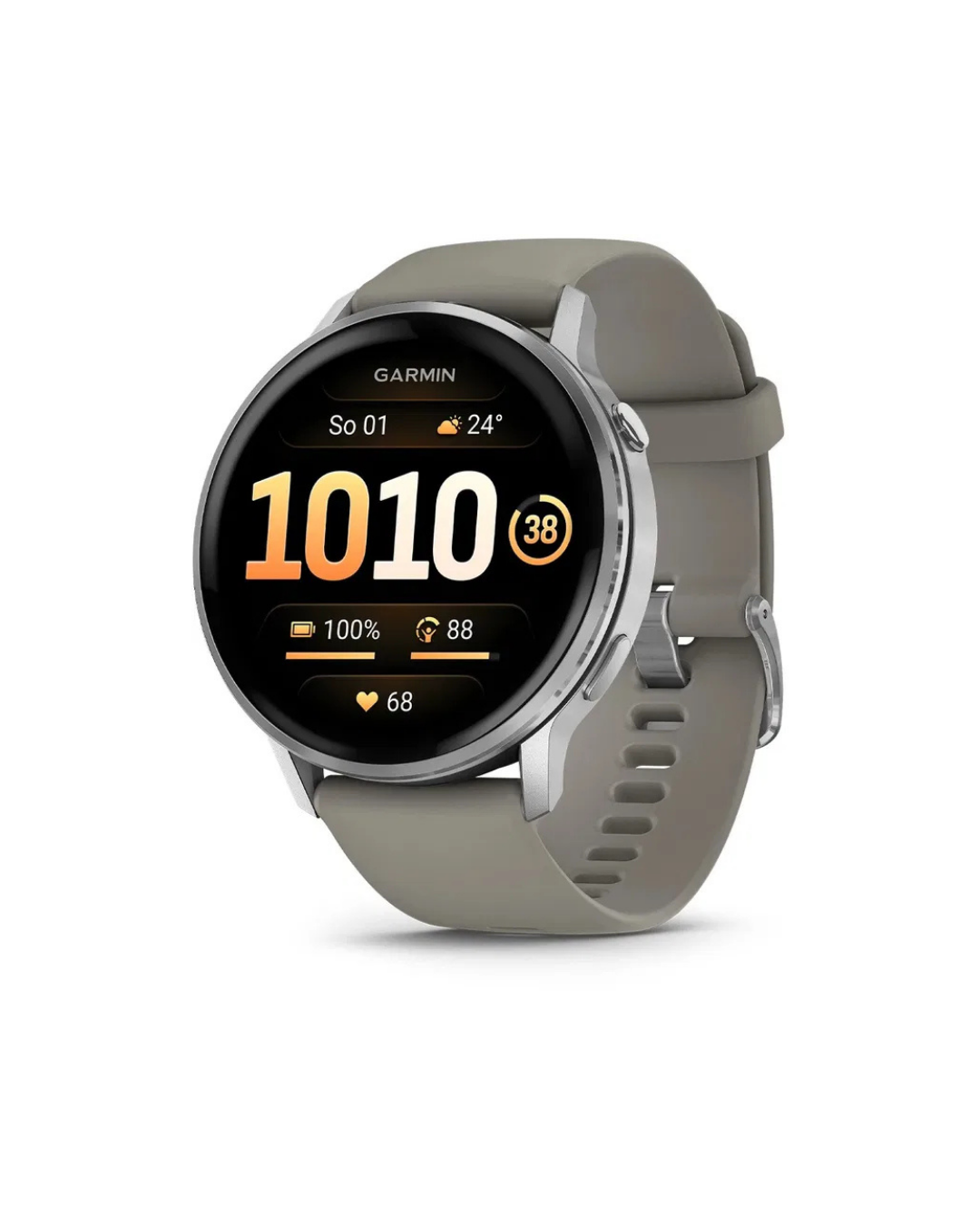
Cardiovascular function
ECG
Atrial fibrillation detection
Blood oxygen saturation monitoring
Sleep monitoring
Sleep apnea detection
Measuring stress levels - according to heart rate variability
Menstrual cycle tracking
Fall detection
x No warning about possible hypertension
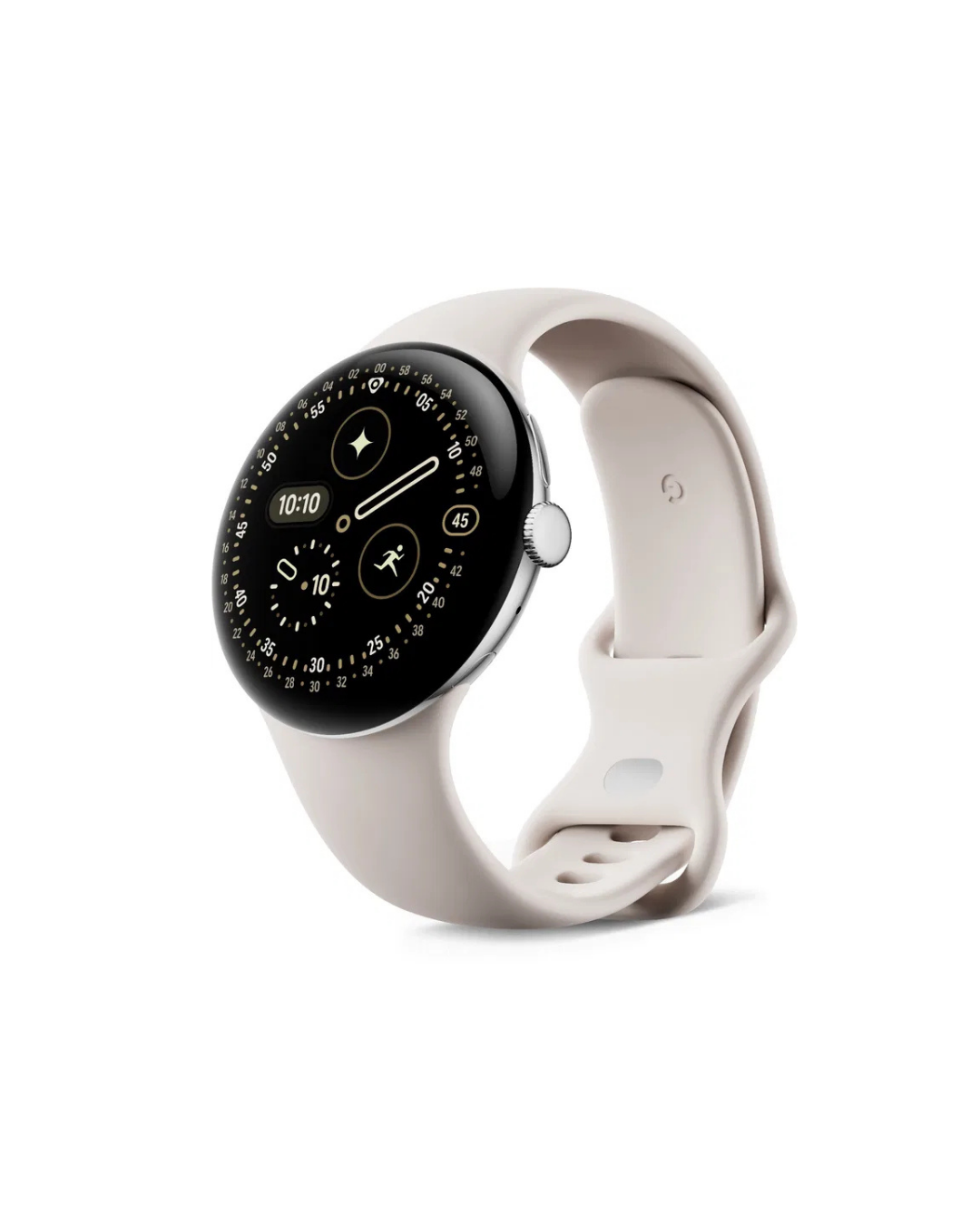
Cardiovascular function
ECG
Atrial fibrillation detection
Blood oxygen saturation monitoring
Sleep monitoring
Sleep apnea detection
Menstrual cycle tracking
Fall detection
Stress monitoring
Strong integration with Fitbit
x No warning about possible hypertension
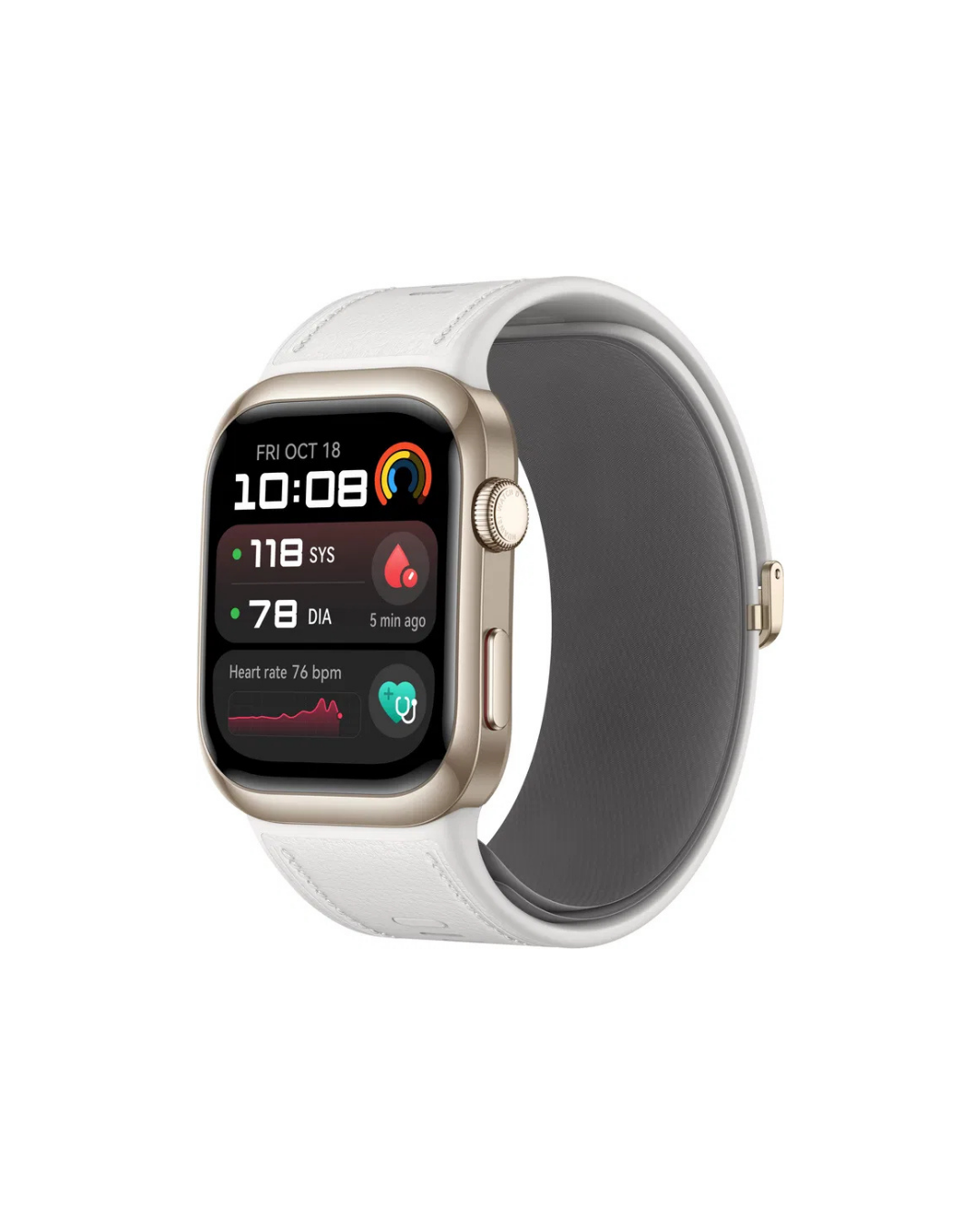
Cardiovascular function
Blood pressure measurement with a cuff integrated into the watch strap - certified as a medical device
ECG
Heart rate analysis - atrial fibrillation detection
Oxygen saturation analysis
Sleep tracking
Sleep apnea warning
Stress level analysis
Menstrual cycle tracking
Fall detection
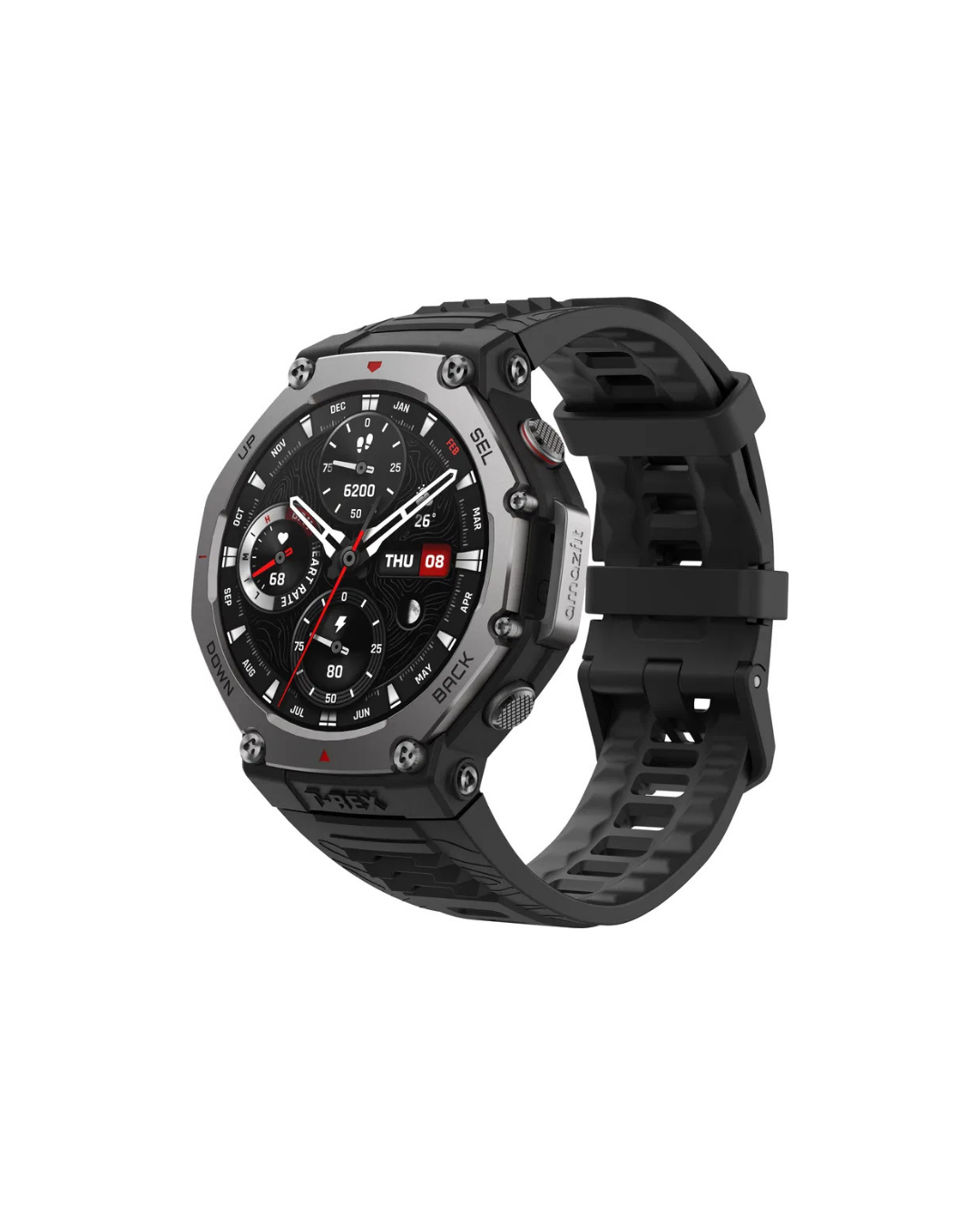
Heart rate measurement - atrial fibrillation detection
Sleep monitoring
Including sleep apnea detection
Menstrual cycle monitoring
Stress determination
x No warning about possible hypertension
x ECG missing
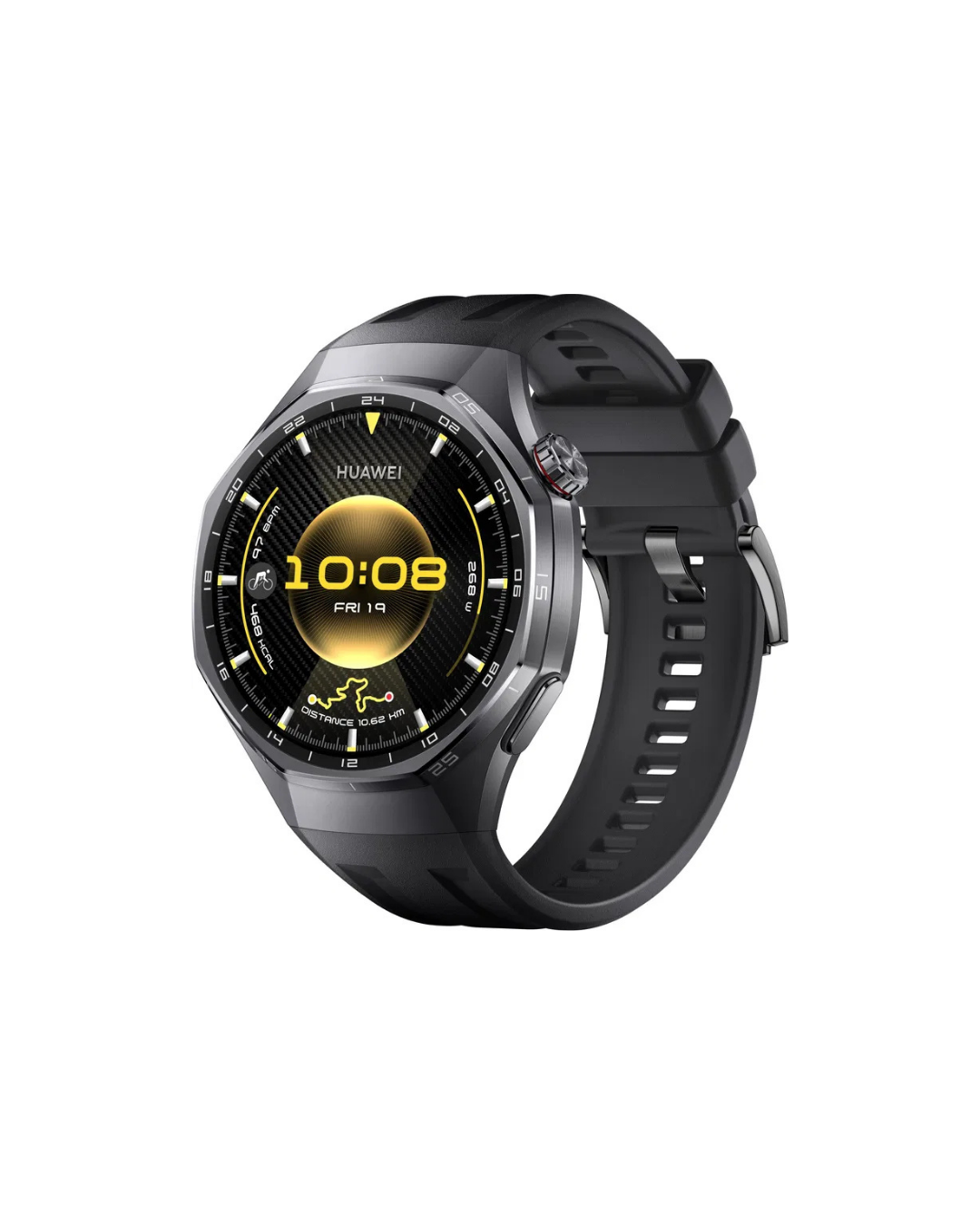
Cardiovascular function
ECG
Atrial fibrillation detection
Blood oxygen saturation monitoring
Sleep monitoring
Sleep apnea detection
Measuring stress levels - according to heart rate variability
Menstrual cycle tracking
Fall detection
x No warning about possible hypertension
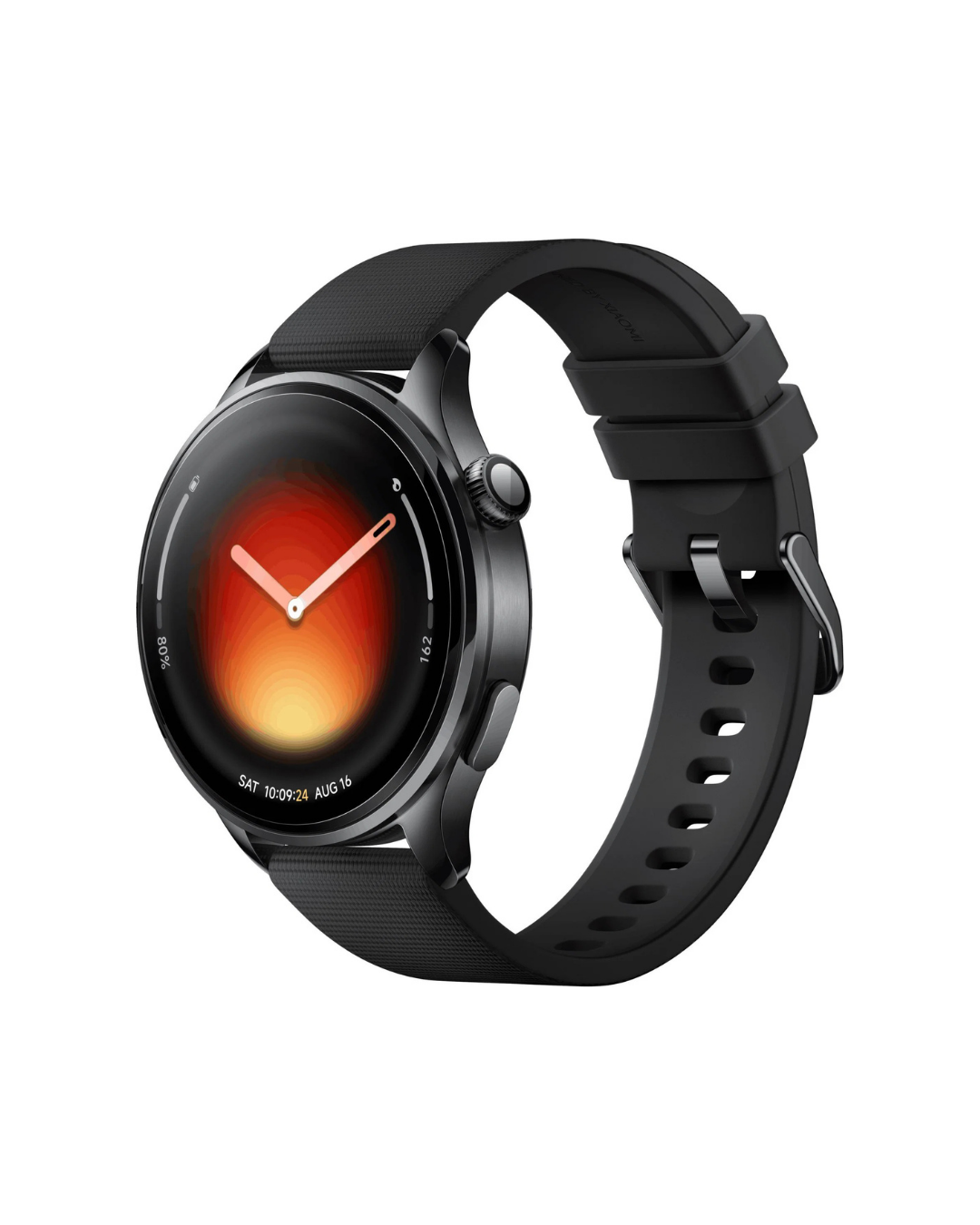
Heart rate measurement - atrial fibrillation detection
Blood oxygen saturation measurement
Sleep monitoring
Including sleep apnea detection
Menstrual cycle monitoring
Monitoring body stress
x No warning about possible hypertension
x ECG missing