What does a high heart rate mean, and when should you be concerned?
A rapid heartbeat can scare you in a matter of seconds. It often occurs after climbing stairs, during times of stress, or after drinking coffee, and then subsides on its own. But that’s exactly when many people wonder what a high heart rate means, when it’s still a normal bodily reaction, and when it’s wise to consult a doctor.
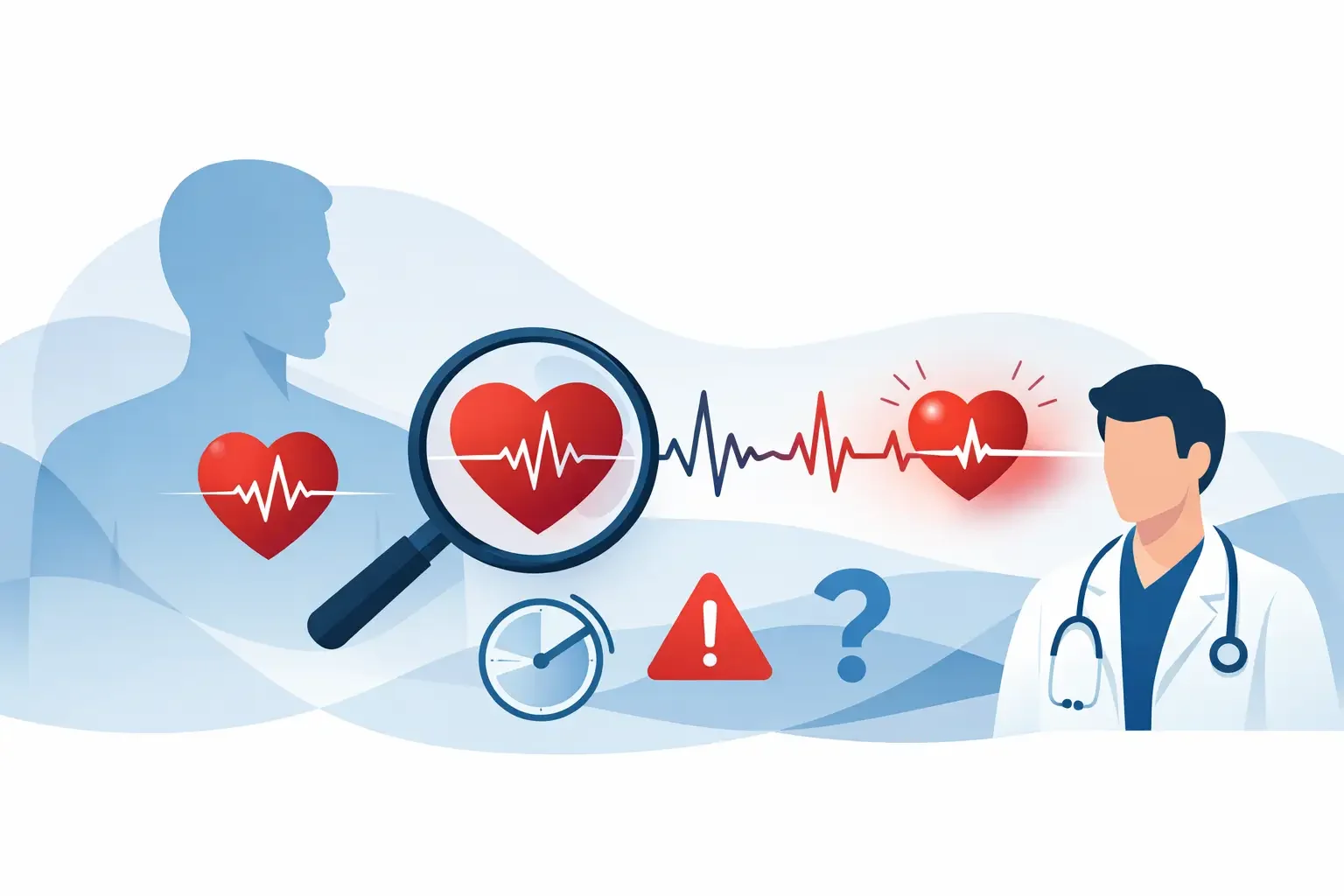
What does a high heart rate mean in practice?
Heart rate indicates how many times the heart beats per minute. At rest, an adult’s heart rate typically ranges between approximately 60 and 100 beats per minute. A higher reading does not necessarily indicate illness. The heart naturally beats faster during physical activity, emotional stress, pain, fever, or after consuming certain substances, such as caffeine or nicotine.
However, if a high heart rate occurs repeatedly at rest, without any obvious cause, or is accompanied by other symptoms, it warrants attention. It’s not just about the number itself. The context is also important—that is, when your heart rate increases, how long it lasts, whether it’s regular, and how you feel during it.
When is a high heart rate normal, and when isn't it?
The body’s heart rate is highly adaptable. A higher heart rate is to be expected after brisk walking, during exercise, or in emotionally stressful situations. It can also temporarily increase due to lack of sleep, dehydration, or alcohol consumption. In these situations, it usually returns to normal after calming down or resting.
You should be concerned if your heart rate consistently exceeds 100 beats per minute at rest, without any obvious cause. It is even more important to address the situation if you also experience chest pressure, shortness of breath, dizziness, weakness, a feeling of faintness, or irregular heartbeats. These symptoms may indicate a problem that should be evaluated by a medical professional.
For some people, however, even minor fluctuations must be taken into account. Patients with heart disease, arrhythmias, high blood pressure, or a history of cardiac problems should monitor changes in their heart rate more closely than people without a known diagnosis.
The most common causes of a high heart rate
In most cases, a high heart rate has a harmless explanation. These include physical exertion, stress, anxiety, fever, pain, or stimulants. Lifestyle also plays a significant role. Excessive consumption of coffee, energy drinks, or alcohol, smoking, or poor recovery can put more strain on the heart than one realizes.
Sometimes, however, a high heart rate is related to a medical condition. This could include anemia, an overactive thyroid, dehydration, or an infection. Cardiac arrhythmias—disorders of the heart rhythm in which the heart beats too fast, irregularly, or both—are a separate issue. The possible cause can often be determined based on the nature of the heart palpitations.
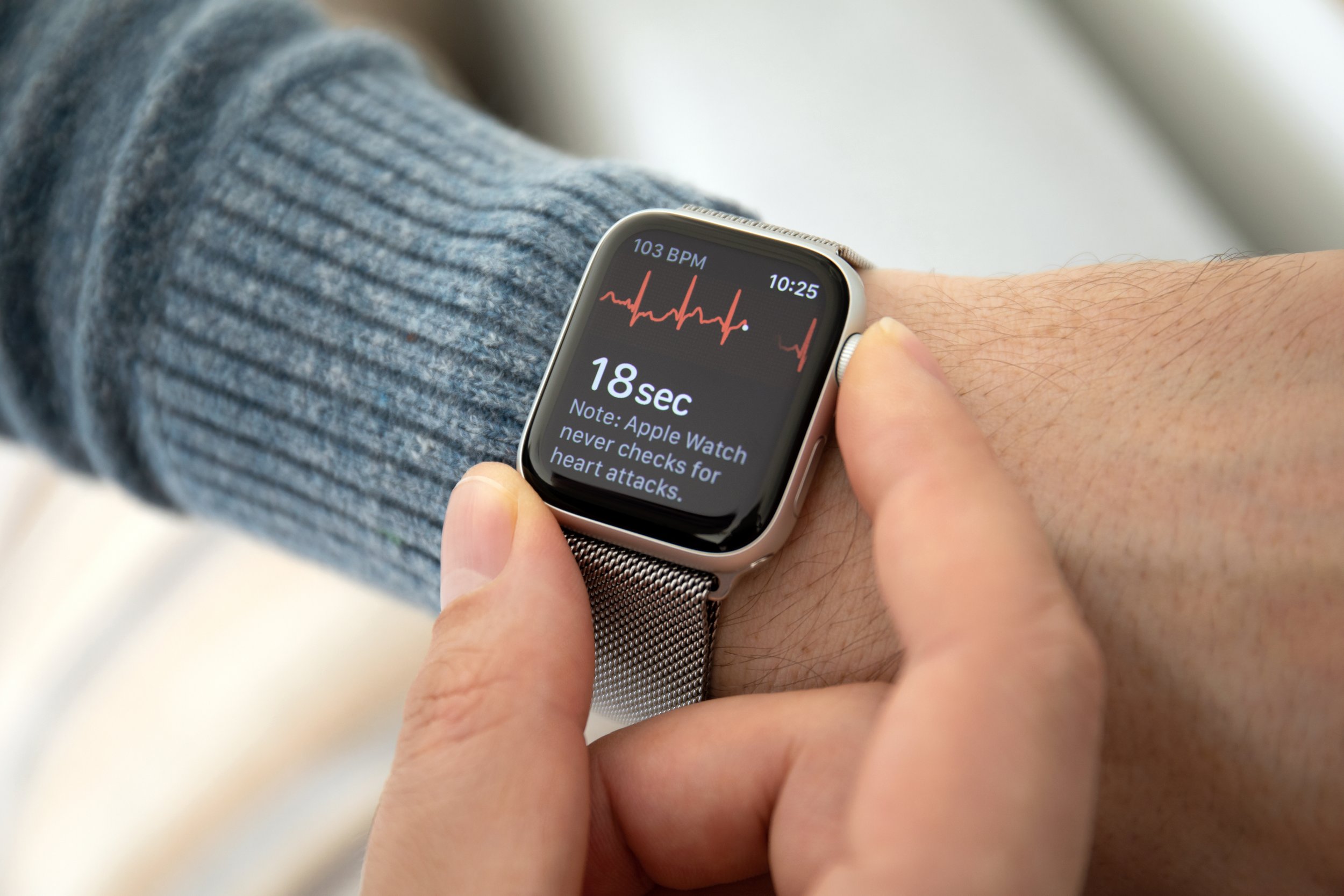
This is precisely where a single reading from a smartwatch is not enough to make a diagnosis. While the measurement is useful, what matters most is the consistent trend and the overall picture of the symptoms. Ideally, if your heart rate is elevated, you should record an ECG, which will help a specialist determine the cause. Some smartwatch models offer this feature.
What does a high resting heart rate mean?
A higher heart rate during physical activity is normal. A higher heart rate at rest is a cause for concern. If you are sitting, lying down, or going about your normal daily routine and your heart rate remains elevated for a long time, this may be a sign that something is putting a strain on your body.
Sometimes it is a temporary condition, such as at the onset of an infection or following emotional stress. Other times, a high resting heart rate may indicate an underlying problem that warrants medical evaluation. This is typically the case if the heart rate remains elevated for several days, occurs upon waking in the morning, or gradually worsens.
How to Track Your Heart Rate Properly
Accuracy matters. If you want to know whether your heart rate is actually high, measure it at rest—ideally after sitting or lying down for a few minutes. It’s important not to measure it right after walking, drinking coffee, or when you’re stressed, unless you specifically want to capture your reaction to a particular situation.
A blood pressure monitor, fitness tracker, or smartwatch can help. Each device has its limitations, especially during physical activity or when your heart rate is irregular. That’s why it’s helpful to record your readings, including the time, circumstances, and any symptoms you may have. This kind of record will be much more helpful to doctors than just a single statement that your heart sometimes beats fast.
For patients who want to keep their data organized in one place and easily discuss it with a specialist, digital tracking makes sense. On mojesrdce.cz, you can save your heart rate, blood pressure, diagnoses, and treatment plans and have them ready for further review without having to search through reports and paperwork.
When to see a doctor immediately
Some situations cannot wait. If a high heart rate is accompanied by chest pain, severe shortness of breath, loss of consciousness, collapse, extreme weakness, or neurological symptoms, emergency care is required. The same applies if the heart rate is very high, occurs suddenly, and does not subside.
Recurrent episodes of heart palpitations, irregular heart rhythm, a resting heart rate above 100 without a clear cause, or a worsening condition over time also warrant prompt consultation with a doctor. For people with known heart disease, the threshold for seeking medical attention is lower, as the risk of complications tends to be higher.
A common mistake is to wait for symptoms to “develop on their own.” When it comes to heart rate, it’s important to catch the problem early, especially if the symptoms don’t manifest the same way every day.
What to Expect During the Examination
When a doctor evaluates a high heart rate, they usually don’t just ask about the numbers. They want to know when the symptoms began, what triggers them, how long they last, whether they come on and go away suddenly, and whether they’re associated with other symptoms. Medications, underlying medical conditions, and family history are also important factors.
The examination may include an ECG, blood tests, blood pressure measurements, or, if necessary, long-term heart rhythm monitoring using a Holter monitor. Sometimes the cause is sought outside the heart, such as in the thyroid gland, blood count, or hydration status. It is important to remember that a high heart rate is not a diagnosis in itself, but a symptom.
Treatment therefore depends on the cause. Sometimes it is enough to adjust fluid intake, limit stimulants, and improve sleep. In other cases, it is necessary to adjust medications, treat arrhythmia, or undergo additional cardiac testing.

What you can do right now
If you experience a high heart rate, it makes sense to start with simple steps. Pay attention to the situations in which it occurs—whether it’s related to coffee, stress, alcohol, lack of sleep, or physical exertion. Measure your heart rate at rest and record the readings repeatedly, not just once. At the same time, make sure to stay hydrated and don’t underestimate the importance of rest.
If you have already been diagnosed with a heart condition, do not make any changes to your treatment on your own. Even seemingly minor symptoms may have a different significance in relation to your condition than they would for a healthy person. It is practical to keep your medical records organized and readily available so you can consult with a specialist on an ongoing basis, rather than waiting for your next office visit.
A high heart rate doesn’t necessarily mean anything serious, but it shouldn’t be ignored if it recurs, occurs at rest, or is accompanied by other symptoms. The heart often sends signals before a problem fully manifests itself. If you recognize these signals in time and in the right context, you’ll feel more at ease and have better control over what happens next.